The Kennedy Center Honors return with an unexpected twist this year as Donald Trump steps out of the traditional dignitary’s box and onto the stage as host, and yet the shift sparks intense attention across the entertainment world. The ceremony recognizes iconic figures such as Gloria Gaynor, KISS, Sylvester Stallone, George Strait, and Michael Crawford, and still, the focus naturally gravitates toward Trump’s decision to personally lead the night.
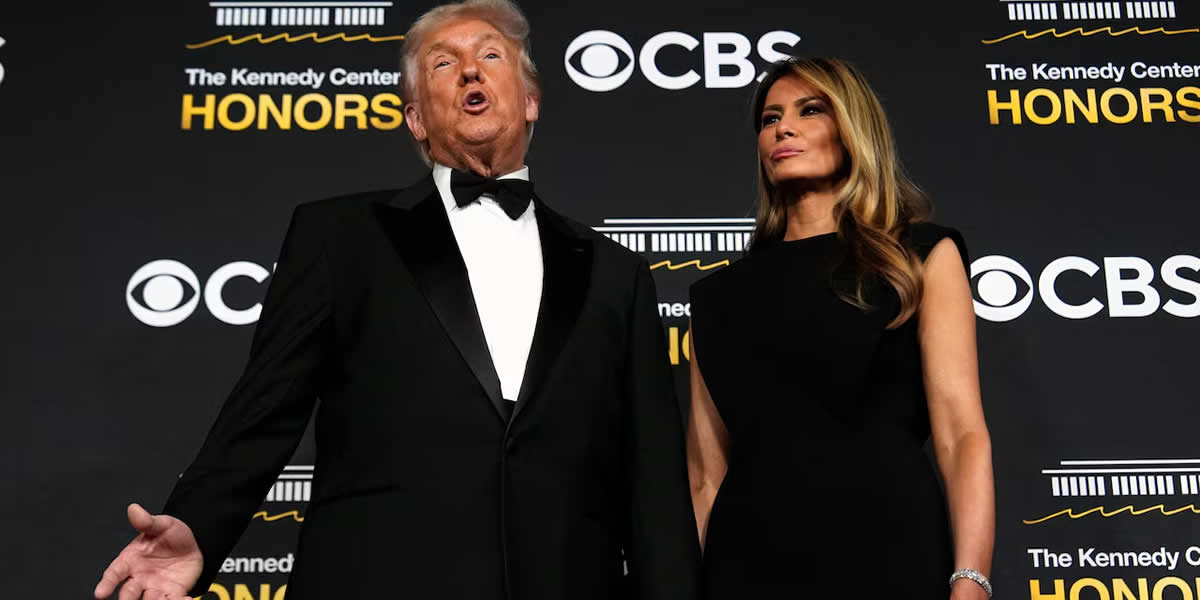
He emphasized that he accepted the role at the request of a major television network, and, on the contrary, he also predicted record-breaking ratings for the December 23 CBS and Paramount+ broadcast. His renewed presence in Washington has fueled his ongoing push against what he labels “woke culture,” and nevertheless, the event’s spotlight remains firmly fixed on the artists whose work shaped American entertainment for decades.
Honorees Celebrate Deep Legacies as the Ceremony Gains Emotional Weight
This year’s class represents a powerful lineup, including Stallone for shaping action cinema, Gaynor for inspiring generations with “I Will Survive,” and KISS for redefining theatrical rock, and yet every tribute carries a distinct emotional tone. Gene Simmons shared that the president arranged an empty chair to honor Ace Frehley, who died in October, and the moment still underscores the long-running bond inside the band. Meanwhile, Crawford described the recognition as deeply humbling, especially as he reflects on his late-career achievements, and in comparison, Gaynor’s tribute adds heartfelt warmth.
Gospel singer Mike Farris highlighted her resilience, stating that she “truly did survive,” and the sentiment captures why she remains a beloved cultural figure. The event’s legacy continues to bridge generations, and above all, it brings together creative forces from film, theater, music, and performance under one national spotlight.
Tradition Meets Reinvention as the Honors Embrace a New Era
The Kennedy Center Honors have celebrated influential performers since 1978, and, nevertheless, Trump’s direct participation marks a stark departure from past presidential roles once filled by hosts like Walter Cronkite and Stephen Colbert. Presidents typically observed from the balcony, and on the flip side, Trump previously skipped the ceremony entirely during his first term. His decision to host represents a calculated blend of showmanship and political messaging, and regardless, the core mission of the Honors remains rooted in elevating artists who shaped American culture.
This year’s roster highlights the broad creative spectrum the institution embraces, ranging from landmark movie franchises to genre-defining music and enduring theatrical performances. The evening symbolizes both continuity and reinvention, and after all, it reinforces how cultural milestones still unite audiences—even as political narratives swirl in the background.